
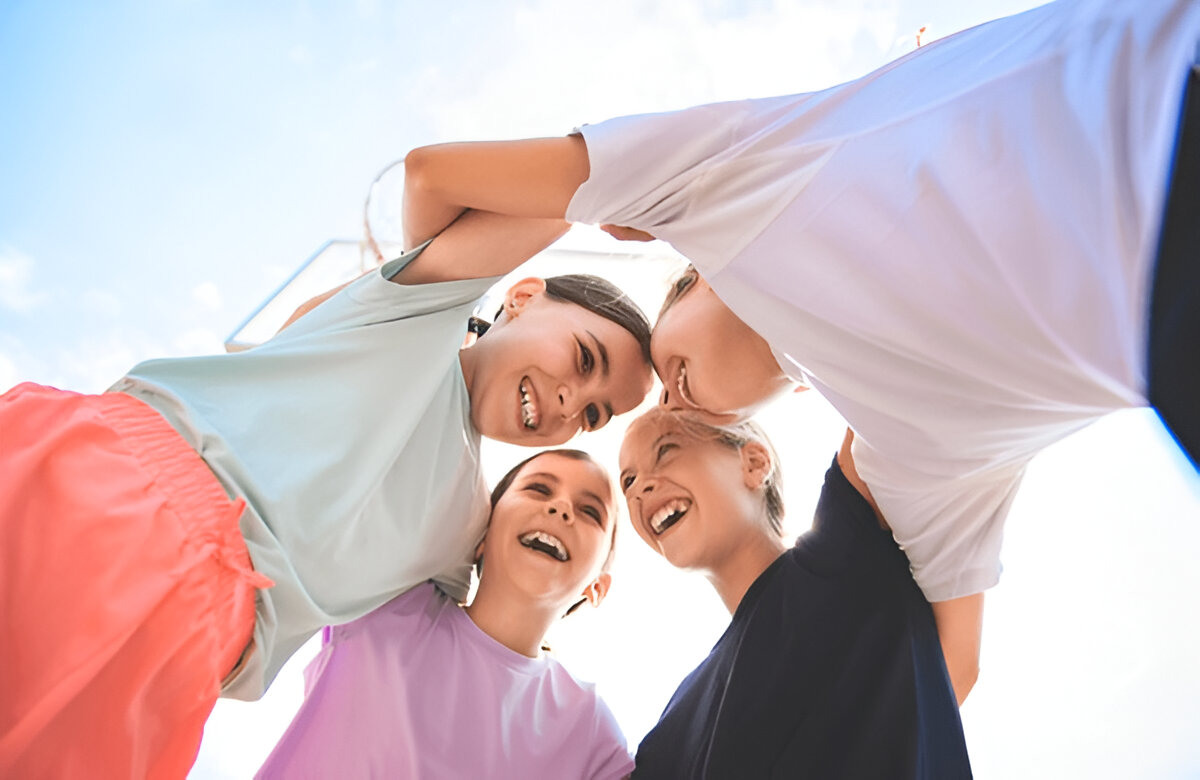
Encouraging kids in sports can be a struggle sometimes. And although many children do start out enjoying something, they can gradually lose interest — either because the pursuit becomes too pressurized and competitive or simply because their interests have shifted. But staying involved in sports is highly important when it comes to self-esteem, working with others, playing by rules and general well-being. For parents, the answer is not: Push children harder but rather: Encourage them positively. Here are tips on how to motivate your child to stay active in sports you can follow to help your child stay passionate and engaged in sports — without losing the fun.

Focus on Fun First
Enjoyment is the base of all sustianable athletic motivation. If your child isn’t having a good time, their eyes will glaze over the omniboxes. Sports are supposed to be fun, not more intense. Parents can help by selecting activities that mesh with their child’s temperament — some kids will enjoy team sports such as soccer or basketball, while others are partial to individual pursuits like swimming or martial arts. Make sure your child is playing a sport they truly like, not one that you wish they were playing. Staying focused on having fun makes contributions easy, and then motivation is free.
Praise Effort, Not Just Results
Kids do well with encouragement — but how we praise them makes a big difference. Instead of being so outcome or goal oriented, make sure to also praise them for the effort and growth they have made as well as their commitment leading with their dedication. When you say things like “I love how hard you worked in practice today,” you reinforce that notion that success is a function of effort, rather than outcome. This attitudinal approach can allow children to develop resilience and maintain engagement despite losses or setbacks. Because, when you are proud of your hard work, you naturally see the need to do it better.
Set Realistic Goals Together
Goals provide a child with purpose and achievement. But objectives must be realistic and age-appropriate. For younger kids, simple goals like “learn to dribble with both hands” or “run for five minutes without stopping” are great. Later, as children mature, the goals can become more specific and challenging. Sit with your child and guide them to set short-term and long-term goals. Tell them to celebrate the little milestones, after all those keep everyone motivated.
Set an Example Living Actively
Children imitate what they see. If a child sees that their parents are engaging in physical activity, working out regularly, or expressing an interest in sports, they are more likely to do the same. You don’t need to be a professional athlete — family walks, cycling together or playing a weekend game of badminton work too. On the other hand, when children view movement as a component of normal family life instead of something they’ve been told to do, their motivation to be active is naturally greater.

Keep the Pressure Low
If you want to quickly turn a child off of sports, just put too much pressure on them. Continuous comparisons, criticism or unrealistic expectations can turn the fun of sports into work. And we must remember that children play sports to learn and explore, not to perform for adults. And try to focus on attachment, not perfection. Provide encouragement for wins and losses, and remind children that mistakes point them in the direction of success. Low-pressure surroundings allow kids to feel comfortable and want to participate.
Encourage Variety and Exploration
Many parents fear that if kids try a variety of sports, they’ll never become good enough at any one. What’s more, the truth is that playing multiple sports can actually be a benefit to a child’s general athletic development. Just as importantly, it helps them develop different muscle groups, master coordination and figure out what they really love. Gymnastics — for increased flexibility in soccer, swimming — for added endurance in basketball. Promoting exploration helps to fight burnout and keep things new and interesting.
Celebrate Small Wins and Progress
Children are also drawn to recognition. Small accomplishments can trigger pride and confidence. Whether it’s an improvement in running time, a newly mastered skill or just being at practice every day, make sure to celebrate your child. You don’t need to roll out the red carpet — a high-five, hug or kind word can be just as effective. Having a visual progress chart at home or recording successes can also allow children to see their progress over time. These small wins let them know that their effort results in progress, and fuels their commitment.
Support Friendships and Team Spirit
Sports are about more than just skill and talent, they are about relationships, working together and belonging. Children who are able to build strong friendships on their teams tend to stay more committed and enthusiastic. Set up opportunities for him to bond with team members beyond practice by arranging playdates or group outings. Discuss teamwork, fairness and respect. When organized sports are at least as much social as physical, kids learn to think of them in terms of pleasure and companionship instead of just competition.
Teach Them How to Handle Challenges With Grace
Every athlete, young or old, encounters obstacles — losses, injuries or times when they don’t believe in themselves. It’s important to teach children how to cope with rejections and defeats gracefully, because this can help keep them on task. When the results aren’t as they wish, remind them that athletes have their own high and low moments. Share of well-known athletes who didn’t start out great. Cultivate problem-solving as opposed to defeatism. When children are taught that failure is not the end, but part of learning, they are more likely to try again.

Remain Active And Be Interested Don’t lose interest or act like you don’t care.
Arguably the most powerful incentive for a child is parental interest and involvement. Attend games, cheer from the sidelines and inquire about their practices. Even if it’s impossible to attend every meeting or game and even if you don’t have time to learn much about their activity, asking a kid — on the drive home or in casual conversation later “how it went” (and genuinely listening) sends a message that you think what they’re doing is important. Steer clear of channeling everything into a review category; instead have fun and growth at top priority. When our kids feel like we really, truly are there for them and that it’s okay to go out and do their best (without us taking credit or blame), they are most likely to stay playing because of how fun the game is.
Building Lifelong Habits Through Sports
Sports are not only about physical activity; they develop character, discipline and lifelong healthy habits. When children remain engaged in sports, they learn the importance of perseverance, collaboration and self-improvement. These are lessons that transcend the field or court and carry over to school, friendships and careers. Your role as parent will be one word of encouragement at a time to help your child set these habits.
By focusing on fun, support and progress over time, you can help your child to learn to see sports as more than competition — as a way of feeling strong, confident and connected. Childhood habits last a lifetime When children are conditioned to enjoy movement, keep active and feel good; they form healthy lifestyles that can last for life!
Conclusion: Motivation Begins with Understanding
Encouraging your child to be physically active in sports doesn’t mean pushing all the time or demanding perfection from him or her. It starts with grasping the significance of their particular personality, respecting their rhythm, and providing consistent encouragement. Celebrate progress, not just performance. Provide pressure-free, inclusive and fun sports. Also, communicate that your love and pride are not contingent on wins or losses — those come from having a happy, healthy and engaged child.
When parents create a culture of support and moderation, children don’t just avoid burning out — they gain a lifelong appreciation for movement, health, self-assurance.