
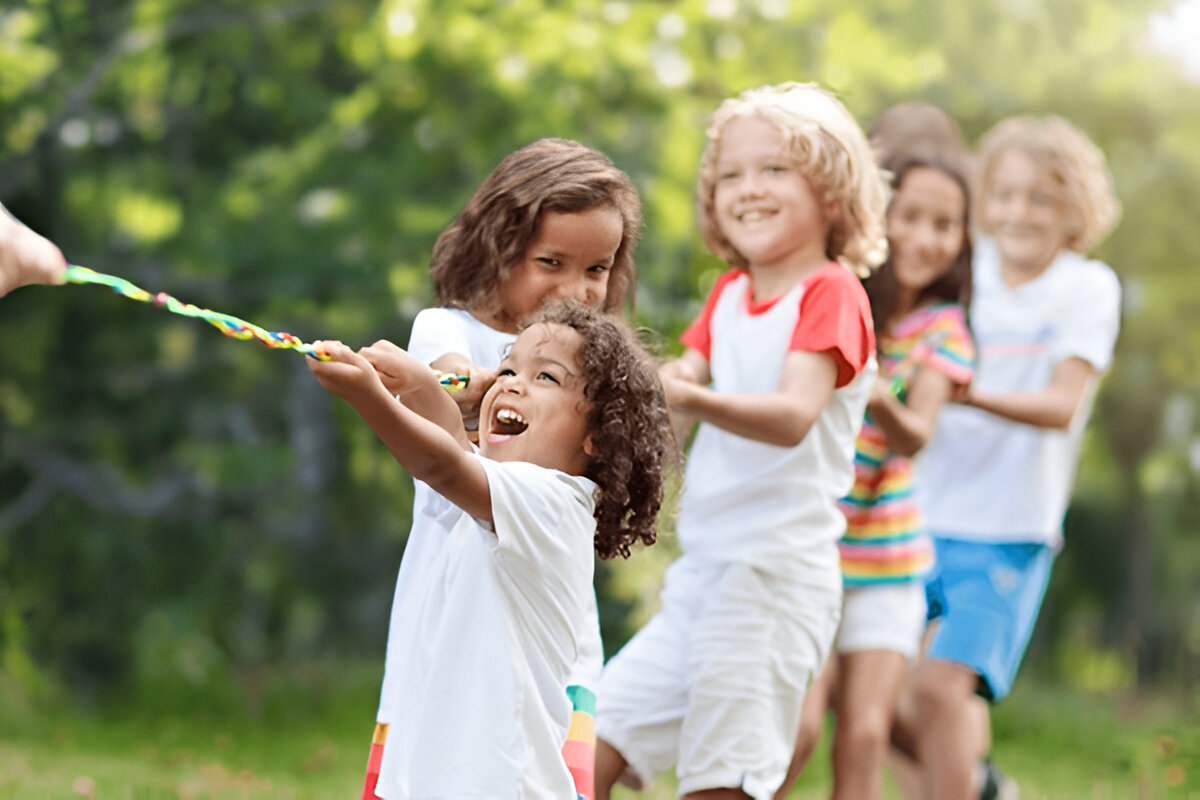
Today’s fast-paced, tech-driven world has kids sitting more than ever. With school, homework and screen time consuming much of the day, there may not be much time left for physical activity. But, regular exercise is crucial for a child’s physical, emotional and mental well-being. It fosters strength, confidence, focus and resilience — qualities children need to flourish. As a parent you may ask: Is my child getting enough exercise each day? And knowing the value of, and just how much movement children need — and how to promote it — can help set your child on a path toward lifelong health.

Why Kids Need to Move ?
Exercise is not only about getting in shape — it is about self-improvement and evolving as a person. As soon as a baby starts to walk, movement molds the body and the mind. Physical activity helps build muscles and bones, promotes flexibility and balance, and develops coordination. But it does something else deeper — it sets a pattern for health and healthy habits that can last a lifetime.
Kids who are regularly active have more energy, better sleep and are equipped with stronger immune systems. Exercise also enhances brain maturation. Research finds that kids who are uprooted often have better memories, longer attention spans and greater academic achievement. Body movement boosts blood flow to the brain, increasing the ability to learn and be creative.
How to Get Kids to Exercise at Home
Health organizations like the World Health Organization (WHO) and Centers for Disease Control and Prevention (CDC) suggest children and adolescents be physically active for an hour or more a day.
This hour of daily movement doesn’t need to occur all at the same time. It can be doled out over the course of a day — in between classes, after school or in sprinkles of play. The key is variety and repetition.
Imaginative fun and unstructured play is what younger children, 3 to 5 year old’s, need when it comes to activity. They should be thoroughly wiped out by active play — running, climbing, dancing, outdoor exploring — for most of their waking hours. For kids and teens between ages 6 to 17, one full hour of more clamorous and commotion-stirring movement every day is the target, like:
Aerobic exercise most days of the week, such as running, swimming or biking.
Muscle-strengthening activities like climbing, gymnastics or push-ups at least three days a week.
Bone-strengthening exercises, such as jumping rope or playing basketball, also three times a week.
The important thing is for children to be regularly moving in a way that they enjoy. Exercise should never be a drag — it should make you feel good.
The Results of Too Little Exercise
Regrettably, this is a level of exercise that many kids are not reaching today. With homework, video games and excessive screen time it is easy to fall into sedentary patterns. This inactivity causes severe health issues.
Kids who don’t get enough exercise are at greater risk of obesity, type 2 diabetes and high blood pressure. They can also have bad posture, low endurance and weak muscles You… 11 of them. But the consequences extend beyond physical health — being inactive can affect mood, concentration and even confidence.
Youngsters who sit around a lot could have difficulty focusing in the classroom and may struggle with mental health issues such as anxiety or irritability. Consistent movement can also work to release stored tension and more effectively balance the mental space. When children spend too much time sitting, they miss out on the benefits of being physically engaged — from teamwork and creativity to resilience.

Recognizing the Signs of Inactivity
As a parent, it’s hard to know if your child is getting enough exercise — particularly when that child seems full of energy. But there are some obvious red flags that may indicate your child isn’t quite as active as they need to be.
If your child is winded after short bursts of play or just seems to genuinely prefer sitting quietly indoors over running around actively, it could be a cue they need more movement. Other signs include difficulty sleeping, or keeping concentration, mood swings, and rage. You may also observe slow physical growth or lack of coordination.
Even a subtle sign — slouching and restlessness or an absence of vim for physical play — could be something telling you that your child needs to move around more. Attending these clues allows you to take early steps toward forming healthier routines.
Easy and Enjoyable Ways to Keep Kids Active
The best kind of exercise for children is play — simple, unstructured and fun. Exercise shouldn’t be exercise; it should be an adventure.
Simple activities such as running, jumping, skipping and dancing can be sufficient for younger children. Set up mini obstacle courses in the back yard, play hide and seek or take short walks in nature. Even house chores such as sweeping, gardening, or washing the car can get them going.
For older children and teens, establish a combination of fun and structure. You might encourage them to pursue sports that build endurance, such as soccer, or beach volleyball; basketball and swimming focus on team effort rather than strictly extending amplitude. And, if they’re more of a solitary type, cycling, martial-arts or dancing are all things to consider as well. The aim is to help them find something they truly like — because liking it is what makes them consistent.
Finding a balance with screen time and being active
Parents today face a host of challenges when it comes to limiting screen time. Devices can completely take over a child’s day, leaving little space for physical activity. The American Academy of Pediatrics recommends that recreational screen time for children older than 5 should be limited to just two hours a day.
(Them, too)Parents can also balance things out by establishing screen-free hours during the day, particularly before bedtime. You may even put technology to good use by turning screen time into active time. Work out in a way that feels more like fun by playing fitness games, using dance apps or competing with your family in movement challenges.
Encouraging brief, regular movement breaks during homework or study time can also be beneficial. A simple stretch, a short walk or dance break can help reset focus and energy levels.

Why Kids Should Exercise Regularly
The wonders of exercise are much more than skin-deep. Age/ Activity Regular physical activity influences areas of a child’s life such as: •Motor Skills •Social and Emotional Well-being and development(requirement) Keep speech production expenditure to a minimum.
Physically, it strengthens muscles, bones and the cardiovascular system. It is good for coordination, flexibility, and overall endurance. And children who play are also less likely to suffer from chronic diseases later in life.
Mentally, exercise improves focus and the capacity to learn. Kids who are active tend to do better in school, since activity enhances brain function, memory and cognition. Psychologically, it is confidence boosting and stress reducing and leaves you feeling more in a positive mood.
Additionally, group activities such as sports and dance lessons enable children learn social skills like teamwork, communication and leadership. It’s through sports that you learn about discipline, persistence, how to remain calm and handle success or failure gracefully — lessons that far outlast childhood.
The Bottom Line
Every child should have the opportunity to move, play and grow strong in both body and spirit. All it takes is 60 minutes of active play a day for your child to build the strong heart, bright mind and playful outlook that will last a lifetime.
You don’t need special equipment or a regimented schedule — just creativity, encouragement and consistency. Yes — whether it’s tag, a bike ride or a walk together as a family, every step counts.
So the next time you’re wondering, “Is my child getting enough exercise?” Remember that movement is more than a fitness target — it’s what underpins a joyful, balanced childhood and a healthy future.