
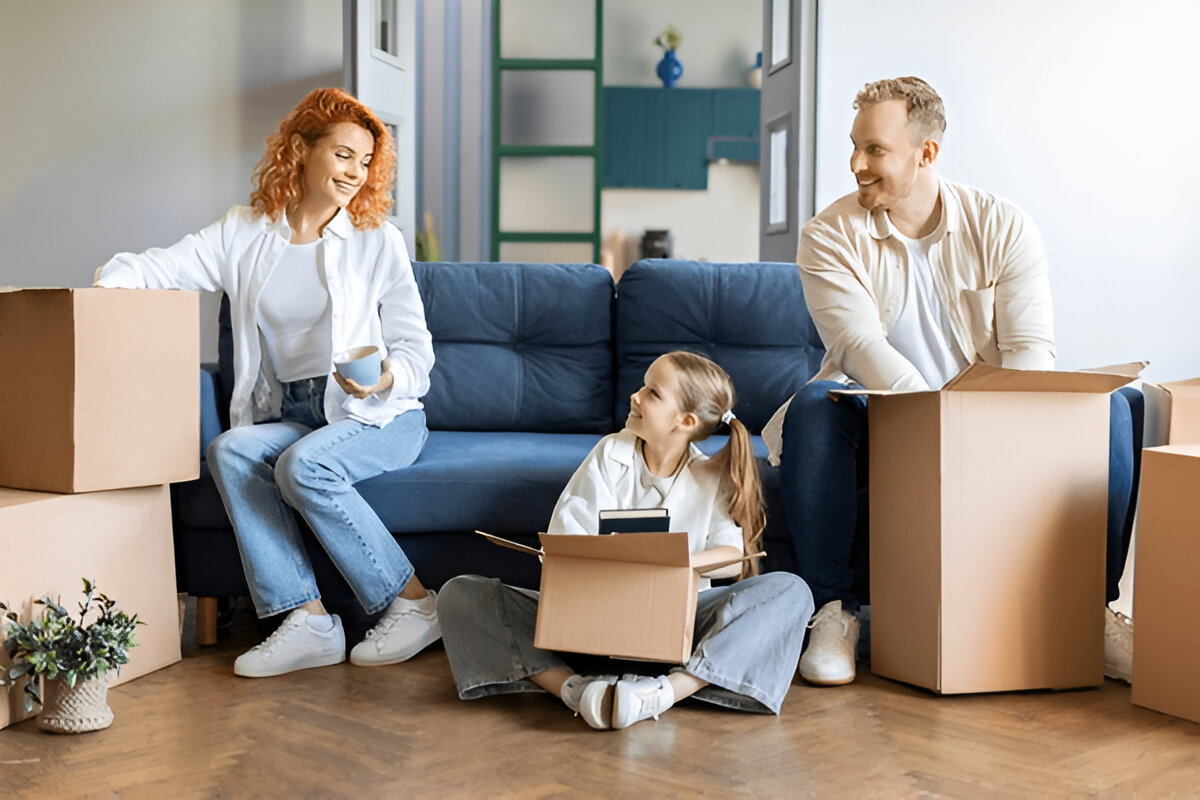
When it comes to raising children, the space you create around them is more than just toys and bedtime habits. The environment that you create largely sets the stage for your child’s learning, creativity, and overall well-being. Little World Children can flourish when they have the right basics at home: must-have things for kids that help them learn and grow, as well as colorful accessories that make them smile.
Whether you’re a new parent creating that awesome space for your child or simply finding ways to make your home more kid-friendly, we’ve explored the 10 things kids must have at home — those perfect items that combine comfort, safety, education and fun.

A cozy and secure sleep area
A healthy night’s sleep is crucial for your child’s growth and development. That’s why this is the thing that should be at the top of your list: a safe, comfortable place to sleep. Ensure your child’s bed or crib has a firm mattress, soft non-bulky bedding and is made of breathable materials.
For little kids safety rails for the bed and blackout curtains will make a big difference, while older children might enjoy selecting their own themed bedding. An established evening routine and warm atmosphere can make your little one feel comfortable and well rested, allowing them to enjoy a calm ambience that prepares them for restful sleep, so everyone has the energy they need during the day.
Educational Books and Reading Corner
You could not give your child a better gift than the desire to read. A little home library fills the imagination while it builds focus and emotional intelligence.
Arrange a quiet corner, complete with a small bookshelf, comfy cushions and good light. Bring in books that match your child’s interests — from storybooks, for toddlers, and picture books to adventure tales and stories of science for older kids. Reading together as a family helps fortify and create those bonds, while also developing healthy communication patterns that can last a lifetime.
Art Supplies and Creative Tools
Creativity is winding down to many generations in childhood and became a channel of expressing feelings and learning ang solving problems. The home with kids will need a creative station, stocked with crayons, paints, sketchbooks and crafting supplies.
A little art time not only helps keep the kids engaged, but also develops fine motor skills and confidence. You don’t need a fancy studio A small table, art supplies and an easy-to-clean mat can transform any corner into an art zone. Artist’s glory: Why not have their art around the house and this could also restore your kid’s sense of honour, which can go a long way in sinking back his/her self-esteem AndAlso motivation.

Safe and Engaging Toys
Toys are not only fun; they’re also tools for learning, exploration and skill development. Select toys that are safe, age-appropriate and stimulate their imagination. Construction supplies, puzzles, and pretend play sets like kitchen or doctor bags help develop problem-solving skills and creativity.
Physical activity and coordination promoting toys like jump ropes, balls or ride-ons for the outdoors. The instruction manual for MPMK’s favorite playhouse advises to strike a smart balance between educational and active-type toys (mix in more of the former than the latter). And you can rotate them out every so often to keep your kid interested.
Study Area and Learning Materials
A designated study or learning space provides children with a sense of focus and discipline — especially for those who turn school aged. This area doesn’t have to be that large, just a small desk with the supplies kept in order can make all the difference.
Make sure the lighting is good, the chair comfortable and the environment clean and uncluttered. Store stationery, notebooks and educational content close by. A designated study area keeps play separate from learning so that your child begins to associate the space with focus and productivity.
Healthy Snack Station
A smart snack station Kids need to eat as healthily as possible in order for it not to be a struggle when they’re older, and the urge for them wanting instant meals is real. 3 Make a kid-friendly section in the kitchen or pantry:Stuff with accessible fruits, nuts, yogurt or granola bars.
Encouraging kids to make more healthful choices by having them help prepare their snacks — such as cutting up fruit or assembling sandwiches. This little practice does not just teach responsibility but also teaches them the idea of nutrition and balance in their lives.
Outdoor Play Equipment or Space
Children require movement to be healthy, and outdoor play is one of the best ways to develop fitness, coordination and social skills. If you have outdoor space, buy play equipment such as swings, a slide or a trampoline.
If room is tight, even small items like hula hoops, jump ropes or a soccer ball can foster outdoor play. Fresh air and exertion also boost mood, while limiting time in front of screens — two essential elements of a happy, healthy childhood.

First Aid Kit and Safety Supplies
Whenever possible, it’s always better to be safe than sorry. A good first-aid kit is a must for any home with children. Add band aids, antiseptic wipes, fever meds, digital thermometers, and other first aid items to that mix.
I’d keep it in a handy place that’s out of reach of young children, and where all caregivers can locate it. Don’t forget safety gates, cabinet locks and outlet covers if you have younger children. Parents can rest at ease knowing they are prepared for any emergency situation with this pre-packed first aid kids backpack.
Family Games and Bonding Activities
Time with family forges emotional bonds that last and memories that stand the test of time. Board games, puzzles and/or card games Discussion at home promotes teamwork, communication trees to gather together laugh.
Such activities can also teach patience, the art of taking turns and strategic thinking. Schedule family game nights or weekend activities regularly — whether it’s a board game marathon, or a picnic in the backyard. Quality time demonstrates to children that family togetherness is just as important as school or sports.
A Routine and Responsibility Chart
Structure helps kids feel secure and learn time management. Post up a routine and responsibility chart on the fridge or kitchen wall, for them to visually see how being responsible can lead to more fun.
Daily chores, such as making the bed or brushing teeth or doing homework or helping set the table. Have your child check items off the list to create a sense of achievement. The visual of this practice drive also helps maintain some semblance throughout the routine, thus encouraging autonomy — and independence is a crucial tool in creating confident, capable small humans.
Bonus Tip: Emotional Support Corner
Physical things are important, but emotional well-being is even more. Draw on the floor with their feet If this is a no go, consider a small “calm corner” where they can unwind or reflect after a busy day. Pop a few soft pillows in it or their favorite plush toy or some soothing music. Teaching kids how to cope with feelings and tap into the stillness inside are some of the most valuable life skills you can pass on.
Bringing It All Together
All homes are unique, but our aim is universal: to build a safe, nurturing place where children can learn, grow and feel loved. You don’t need fancy gadgets or elaborate setups. Ultimately, the essentials boil down to providing spaces and tools that support creativity, learning, health and emotional balance.
By simply concentrating on these top 10 must-have items for kids at home, you’re not only bringing things into your home — you are creating a space to foster curiosity, independence and happiness.
A home that’s prepared is key to having kids feel confident, secure and ready to discover the world around them. And so while they are small, these little touches — the bedtime stories and the creative projects — will be what they remember the most.