
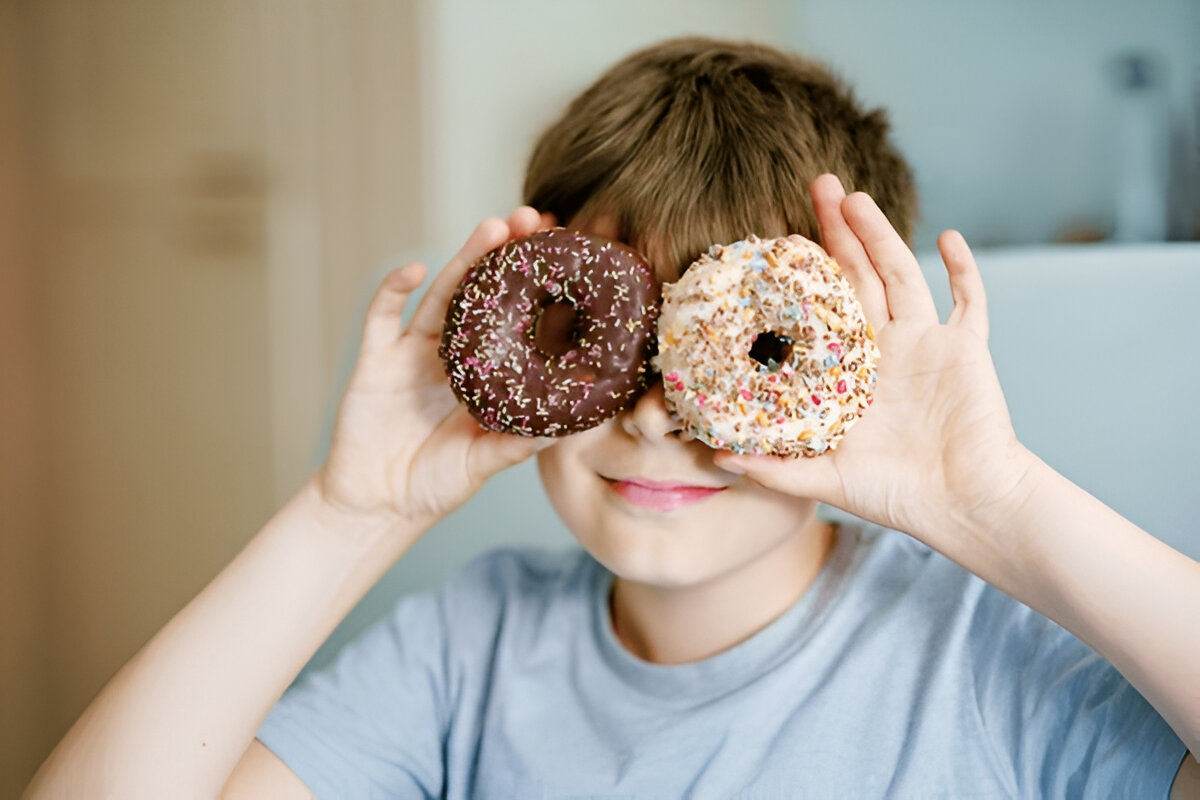
Kids naturally love sweets — from chocolates and candies to sodas and desserts. Sugar, they say, provides a quick jolt of happiness and pep — sort of like shoving a foghorn down your throat — that makes it difficult for parents to resist. But there’s a danger lurking under the sweet stuff. Hidden sugars are overloading today’s modern diets, with children receiving way more than they need to. Recent studies suggest that many children eat too much sugar, which can lead to various health issues—discernible and not¬–so-immediate—but parents may be unclear on how much is “too much.”

Why Sugar Is Everywhere
In the modern world, sugar feels nearly unavoidable. And it’s not just in candies and pastries; it’s lurking in foods that we often consider healthy. In fact, many breakfast cereals, flavored yogurts, fruit juices and wine coolers have considerably high levels of added sugar; energy bars aren’t much better! They add it to improve the taste, preserve freshness and even make food more appealing to children. The issue is that these sugars fly under the radar and add up, fast.
Even products marketed as “natural” or “low fat” can harbor staggering amounts of added sugar. For instance, a small cup of flavored yogurt may contain as much sugar as a candy bar, and a single can of soda can pack more than double the recommended daily limit for a child. The big problem all this creates for parents is not just handling sweets, but discovering the previously hidden sources of sugar in their child’s daily diet.
How Much Sugar Do Children Really Need?
You don’t need to consume extra sugar for your body to work. The natural sugars in fruit, vegetables and dairy offer all of the sweetness and energy a child needs, while also providing important nutrients. But most children eat much more sugar than that. Children under 2 should have no added sugar at all, while those over 2 should steadily reduce the intake of added sugars to a maximum of 25 grams (or six teaspoons) daily, according to new recommendations from the World Health Organization and American Heart Association.
To put this in context, a single can of soda contains almost forty grams of sugar and that is already more than you should be consuming daily. But, in fact, studies indicate many children eat two or three times that amount each day. All this excess consumption not only loads us with empty calories; it also displaces the nourishing foods that children need for their healthy growth.
Natural vs. Added Sugar: Know the Difference
Sugar is not all the same, and you’re helping parents to distinguish between natural sugar and added sugar. NATURAL SUGARS Natural sugars are naturally occurring sugars in foods, such as fruit or milk. These sugars are delivered in packages accompanied by fiber, vitamins and minerals that slow the body’s processing and absorption of sugar, thus preventing rapid blood sugar spikes. Added sugars, meanwhile, are sweeteners added during manufacturing or cooking — such as table sugar, honey, corn syrup or fruit juice concentrate.
The issue with added sugars is that they have calories but no nutrients. Also known as “empty calories,” they bring sweet flavor and energy to the body, but no vital nutrients. When kids eat sugar-filled foods, they feel full quickly and yet are undernourished, lacking the protein or vitamins and minerals their bodies need.

The Hidden Sources of Sugar
Parents often associate sugar with treats, desserts or candy — but it can lurk in just about every meal. Among the worst offenders are breakfast foods. A children’s portion of cereal from a bowl might seem harmless but is likely to contain three or four teaspoons of sugar. Flavored yogurts, fruit juices, granola bars and even ketchup or pasta sauces may contain added sugar, Dr. Meropol pointed out. Even so-called “100% natural” fruit juices can be as sugar-laden as soda — especially when consumed in large quantities.
The best strategy for controlling sugar consumption is to get into the habit of reading ingredient labels. High-fructose corn syrup, cane juice, dextrose, maltose and rice syrup are all types of added sugar. Once parents begin to read labels, they are frequently surprised at the amount of sugar lurking in their pantry staples.
Too Much Sugar Harms Children’s Hearts. What We Can Do About It.
Excessive sugar damages almost every part of the body. One of the most noticeable and frame it instantly is weight increase. Sugar filled foods are high in calories yet do not make you feel full for long so kids eat more. Over time, that makes obesity more likely, and currently it is one of the most prevalent children’s medical conditions. It can contribute to diabetes, joint pain and heart problems later on in life.
Sugar also affects dental health. If children have sugary snacks or drinks throughout the day, the sugar feeds bacteria in the mouth which create acids that wear away at tooth enamel. It’s also why kids with high-sugar diets so often experience cavities and tooth decay.
But forget the physical; sugar can also do a number on your mood and energy levels. Easily available and less harmful Alternately, rapid spikes and drops in blood sugar levels can cause you to become irritable, tired, or have trouble concentrating. Some parents even observe that their kids go hyper after a sugar snack, only to melt down an hour later. Certainly, not every kid is hyperactive due to sugar consumption, but there is ample proof that sugar does influence behavior, concentration and energy equilibrium in kids.
In the long term, eating too much sugar raises your risk of chronic diseases such as type 2 diabetes, fatty liver disease and heart disease — formerly adult diseases that are increasingly showing up in kids thanks to bad diet plans.

Aiding Kids in Cutting Back on Sugar
Low-sugar isn’t the same as banning all treats or making mealtime miserable. It is about equilibrium and not taking for granted. Parents can begin by taking small, repeated steps. One of the easiest steps is swapping sugary drinks for water or milk. Water hydrates the child without adding calories, and milk provides essential calcium and protein. Providing whole fruits as opposed to fruit juices also makes a big difference. Fruits have fiber and natures sugar helps to regulate how fast it jumps into your bloodstream.
Cooking more meals at home can also be useful, since when we cook at home the parent makes the calls about what to include. Thanks to natural sweeteners like dates or small doses of honey, meals at home aren’t disgraced by store-bought sauces and snacks. By gradually lowering the sugar content of food, it gives kids’ taste buds a chance to adapt to less sweet flavors overtime so that they’re not as reliant on sugary tastes.
It’s also important not to use sugary foods as rewards or comfort. When experiences are connected to food, it can have negative consequences for children. Instead, parents can recognize effort, provide for playtime or organize a fun rewarding activity that does not involve food as a reward.
Helping promote a healthier relationship with sugar
Children learn from what they see. When parents demonstrate balanced eating and thoughtful choices, kids are likely to follow suit. Talking openly about nutrition works as well. Parents can explain how sugar affects energy, teeth and growth instead of just saying “sugar is bad.” Getting kids in on reading label, picking out groceries and preparing snacks makes them feel invested — and curious — about what they eat.
Education and enfranchisement are weapons. For example, counting teaspoons of sugar to show children how much is in a soda can be an eye-opener. Once they understand where sugar comes from and what it does to their body, they are more likely to make better choices on their own.
The Benefits of Teeth-Brushing and Sugar-Restriction in the Short and Long Term
The effects of children’s eating less sugar are quickly apparent. They have more steady energy throughout the day, better focus at school and fewer mood swings. Their teeth get healthier, and their immune systems are boosted. In the larger picture, a low-sugar diet helps to reduce obesity, diabetes and heart disease.
In addition to all the physical plusses, kids come away with a better attitude toward food in general. They learn a sense of moderation, balance and to appreciate natural flavors. These are the lessons that when taught young, become lifelong habits which promote both physical and emotional health.
Conclusion: A Sweet Life in Balance
Sugar itself is not the enemy — overloads are. Kids can still have birthday cake, a treat every now and then or a dish of ice cream, but these should be rare occasions rather than habits of daily life. As parents, the object here isn’t to generate fear of food but help children think about balance and mindfulness.
Through providing nutritious meals and occasionally treats, restricting sugary drinks – and showing them the importance of moderation – our kids will grow up feeling capable, healthy and knowing what their bodies really crave. Accept 0 Comments A little sugar in life is fine, but the sweetest reward of all is a healthy child.