
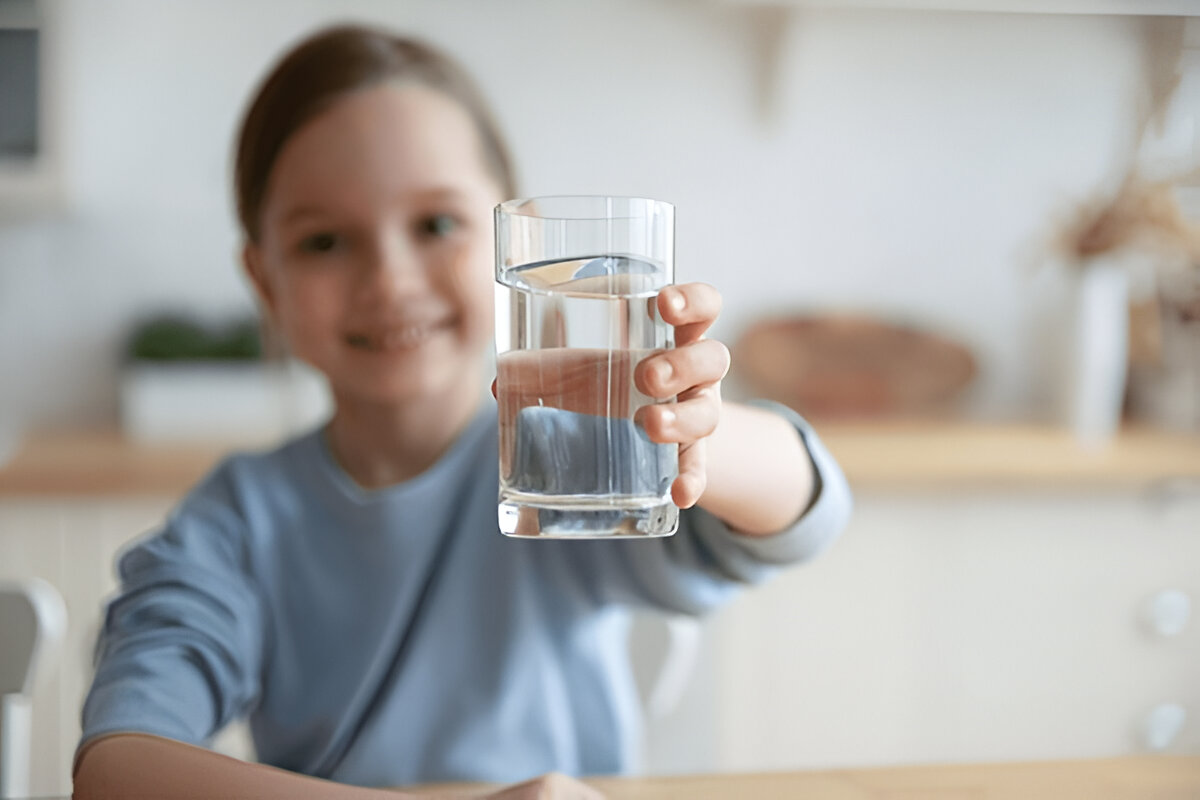
One of the easiest things is also one of the most overlooked thing about a child’s health and that is proper hydration. As parents, we spend a fair amount of effort thinking about what our children eat, making sure they get enough vitamins and other nutrients — but what about what they drink? Water is crucial to everything our body does, including digestion and brain function; the regulation of temperature, circulation and metabolism; nutrient transportation; and muscle contraction. But many children just don’t drink enough water during the day.
Whether it’s due to a hectic schedule, other beverages that distract from water drinking or simply the preference for sugar-sweetened drinks, dehydration can impact their mood, concentration and health. With a simple understanding and tips for hydrating kids about the right amount of water children need, dehydration and how to make hydration a part of day-to-day life, you can help ensure that your child’s health is in tip-top shape.

Why Water is So Vital for Kids ?
More than half the human body is made up of water, and for children, whose bodies are growing quickly, drinking enough fluids can be even more paramount. Each and every tissue, organ and cell in your body relies on water to work correctly. It regulates body temperature, nourishes cells, excretes waste and lubricates joints. Children lose water to sweat, breathe and use the bathroom — and with their bodies being smaller, even mild dehydration can make more of a difference than in adults.
Water is also directly linked to energy and focus. A child who is dehydrated can be tired, fussy or distracted. Studies have shown that even mild dehydration can influence mood, concentration and memory — so adequate hydration is as essential to learning as it is to overall physical health.
How Much Water Does a Kid Drink in a Day?
There’s no one-size-fits-all answer, though experts offer some general guidelines based on age and activity level.
Toddlers (1–3 years) typically require about 4 cups (approximately 1 liter) of fluids per day.
4–8 year old’s should consume about 5 cups (1.2 liters) per day.
Older children (ages 9 to 13) require between 7 and 8 cups (1.6–1.9 liters), based on gender and level of physical activity.
For adolescent (14–18 years) boys and girls, 8–11 cups (2–2.5 liters) of water are sufficient.
These totals are inclusive of all fluids consumed, but remember that simple water should be the dominating factor. In hot weather, or when kids are active and sweating a lot during sports events, their bodies lose even more fluids.
While juice, milk and soups can contribute to hydration, nothing beats plain water. Unlike sugary drinks it doesn’t add empty calories or deteriorate teeth. It is the most efficient way for the body to remain in balance and hydrated.

Signs Your Child Is Not Drinking Enough Water
In many cases, parents don’t understand how mild the symptoms of dehydration can be. Young children often won’t feel or say that they’re thirsty until they are already a bit dehydrated. Below are common signs to look out for:
Children who aren’t getting enough fluids can feel tired and sluggish even if they are sleeping well. They may get a headache, have dry lips or a sticky mouth. Occasionally their pee is a darker yellow — it should be light yellow or, if you’re particularly well hydrated, nearly clear. Another warning sign is if your child goes for long periods (half a day, for example) without urinating.
Dangers of Dehydration in Young Children
Dehydration sounds relatively trivial, but it can snowball in a child. They can dehydrate more quickly than adults because their bodies are smaller and their metabolism is faster. And even if it’s not prolonged, mild dehydration can throw off your body temperature control, make it harder to concentrate and impair digestion.
It can also impair the immune system, potentially making children more vulnerable to illness. During sports or outdoor play, dehydration can lead to heat exhaustion or heat stroke — both of which are medical emergencies.
So it’s important for parents to push hydration all the time, not just when kids tell you that they are thirsty. In reality, thirst itself is a late sign of dehydration — when your child feels thirst, they are already in the throes of fluid deprivation.
Get Kids to Drink More Water
Encouraging kids to drink enough water can be tough, especially with sugary drinks or juices as an option. The good news is that with some clever strategies, you can get them to drink enough water every day.
Begin with easy access to water. Fill up and keep water bottles or sippy cups accessible, especially at home or in school bags. The more visible and convenient it is, the more kids are likely to drink. You can also make water more appealing by putting slices of fruit such as lemon, strawberries or cucumber in it to lend a touch of natural flavor.
Lead by example. Kids who see their parents drinking water all the time are more likely to mimic the behavior. And instead of counting glasses consumed, urge small hydration goals together — say, downing a cup of water before each meal.
Healthy Alternatives to Sugary Drinks
Fruit juices, sodas and flavored drinks may be tempting, but they’re loaded with sugar and empty calories. These drinks also can lead to weight gain, cavities and even difficulty concentrating from sugar highs and crashes.
Skip the store-bought drinks and serve infused water or homemade smoothies with fresh fruit and yogurt. Milk is also a good hydrator, since it has some electrolytes as well as nutrients like calcium and vitamin D. Just keep in mind that milk should not replace water, but supplement it.
If your child is already accustomed to sweetened beverages, start by diluting juice with water a little more each day until they get used to the less sweet taste. With time, water will become their favorite among the refreshing things.

Fluid Replacement in Sport and Hot Climate
Working or very active children, especially those involved in sports, require more hydration. They lose more fluids via sweat and must replace them rapidly. Make sure your child drinks at least one full glass of water one hour prior to exercise. They should take small sips during the game every 15–20 minutes, and continue to hydrate after play to restore lost fluids.
On extremely hot days, it is recommended that children remain in the shade when possible and not participate in vigorous activities during peak heat hours. Bring more water bottles to school, sport practice and other outdoor activities. Sports drinks can be handy during strenuous, lengthy play but they should not be a daily beverage — they contain added sugars and electrolytes that most children do not need outside vigorous activity.
Making Hydration a Family Habit
Hydration should be thought of as part of your family’s health plan overall. Set up a series of water breaks throughout the day, like having 2 glasses before breakfast, 3 after school and 1 before bed. Remind your child, or try alarms.
Another simple way to ensure consistency is by including water at meals. Substitute dinner soft drinks with water and stick to it as a new rule. You might even post a family hydration chart on the fridge to keep it fun and visual.
Small habits build long-term routines. When children learn to drink water whenever they are thirsty, water more likely will be their beverage of choice in adulthood.
The Bottom Line
Hydration is crucial to every part of your child’s health — from energy and focus to digestion and temperature control, as well as immunity. Easy to forget, but water makes all the difference in helping kids grow, learn and stay active.
There’s something parents can do now to make a lifelong difference: modeling and promoting good hydration, offering easy access to water — and making it fun. Remember: When your child feels thirsty, they’re already slightly dehydrated. Promote the drinking of small amounts of fluids periodically throughout a day, especially in hot or humid weather or during exercise.
It can seem so simple, but staying hydrated is one of the most powerful things we can do to give children a strong start and maintain health throughout childhood.