
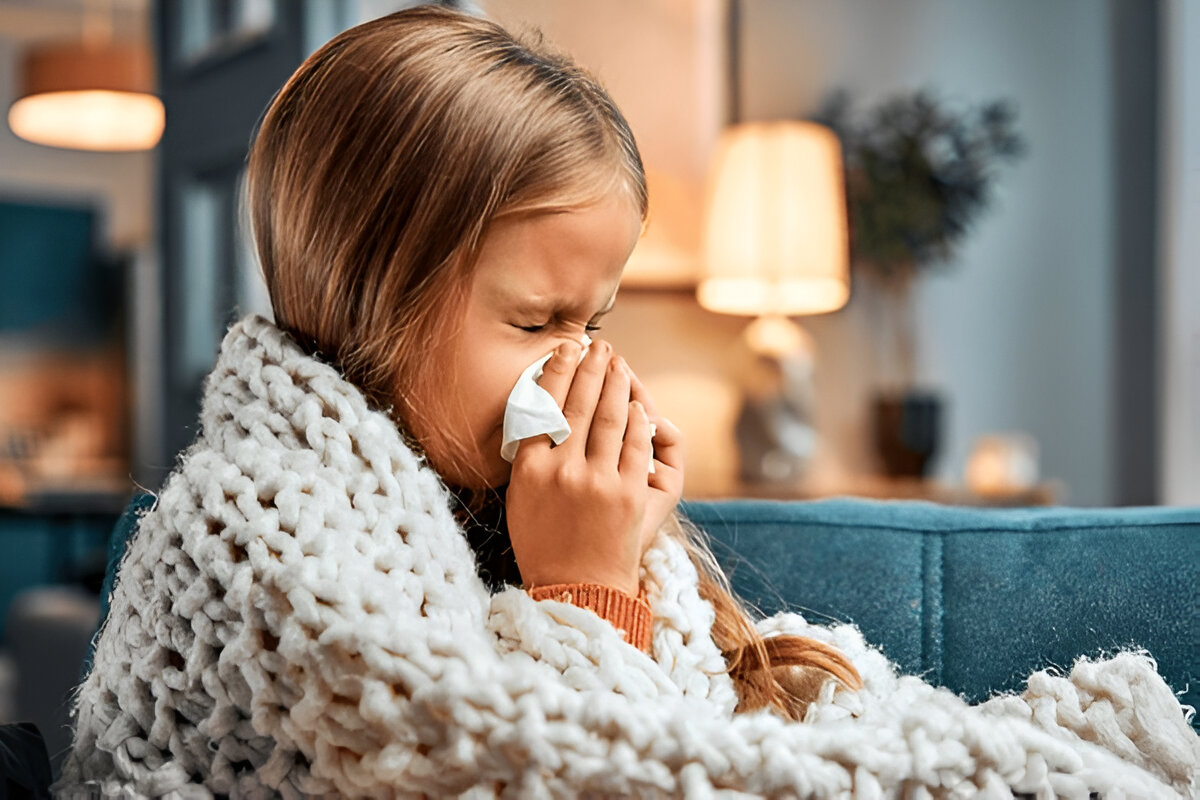
Just about every parent has had the experience, that liminal moment on a recent morning: your child wakes up feeling stuffy, coughy or just not fully themselves and you stand there wondering if today’s one of those days — do they stay home from school? Most colds are mild, but deciding whether your child should stay at home is often like walking a tightrope between allowing them to recover and keeping up their attendance. Knowing the difference between congestion and symptoms that call for rest is key to safeguarding your child’s health — and keeping other students healthy at school.

Overview of the Common Cold in Children
Among children, the common cold is one of the most common infections. It is caused by viruses — most often rhinoviruses — that are easily transmitted through the air when someone coughs or sneezes, or by touching infected surfaces. Children get more colds than adults because they are still building up life-long immunity to the 200-plus viruses that cause upper respiratory infections, most of them during school years.
Some common kids cold symptoms include runny or stuffy nose, mild cough, sore throat, sneezing and occasionally a low-grade fever. The majority of instances go away on their own in about a week to two weeks. The cold isn’t in itself dangerous, but it can make children miserable and drowsy, with poor concentration in class. Knowing when to send them to school and when they should stay home can help keep your child — as well as their classmates — healthy.
When It’s Safe to Attend School
Your kid doesn’t need a sick day for every sniffle. If your child has mild symptoms, such as minimal runny nose or an occasional cough but otherwise feels well, it’s probably safe to send them to school. “Unless they have bad nutrition, and a lot of things are going wrong, the average child’s immune system is designed to work,” she said “Does the child with asthma or who is in chemotherapy — we have to take that into account. But as long as they’re eating normal meals and still moving around and don’t have a fever, their immune system can tolerate a regular day at school.”
It is essential, however, to educate good hygiene to your kid. You will need to persuade them to keep their mouth and nose covered while coughing or sneezing, use tissue, and wash hands often. You should also warn your children not to eat, drink, or use the utensils of others. This will help to reduce the transmission of viruses and make classrooms safer for little people. When Kids Shouldn’t Go to School But, in some situations, leaving the school is still just what your child ought to do. As a general practice, one must weigh how the child feels and if they could give the infection to another person.
In general, children should not attend school if they have a fever. If your youngster is having difficulties to maintain their body temperature, they should avoid school. Children must be fever-free for 24 hours with no medication prior to returning to school, according to the majority of schools. School is not appropriate if their temperature begins to rise above 100.4 degrees Fahrenheit. Their fever indicates that their immune system is battling an infection, as I have already stated.

Rest and Recovery are Key
Rest is more than a nice, comfortable feeling — it’s part of the healing process. When she’s sick, a child’s immune system goes into overdrive in response to an infection, and this can bring on the symptoms of sickle cell disease. They need the home time to rest and recuperate for their body rather than using energy at school.
If they go back to school too early, children can end up extending an illness or getting a complication like bronchitis or ear infections. A day or two of sitting out school can also lead to a more vigorous return, meaning they’re stronger and healthier.
But rest also stops germs from spreading. And then we have to remember that one sick child in a class easily turns into three or four others infected with the same virus. So when you keep your child home when necessary, it’s not just for their own health but also a courtesy to their classmates and teachers.
You may also enjoy: How Long Should Kids Stay Home From School With A Cold
Help Your Child to Feel Better at Home
Although there is currently no cure for the common cold, here are some ways in which you can make it easier for your child to recover. Stay hydrated: Provide ample fluids, including water, warm soups or herbal teas that can help ease the throat and ensure hydration. A humidifier can soothe congested airways, especially at night, which will help your child get a restful sleep.
Nutrition is also very important. Encourage healthy, immune-boosting foods such as fruits and vegetables and broth-based soups. Steer clear of sugary snacks and processed foods that could hinder recovery. And most important of all: let your child sleep. Calm activities like reading, drawing or watching soothing television shows can keep them entertained while their body does its work.
Younger children — and even some adults — should take over-the-counter medications only if a doctor instructs. Many cold medications are not safe for children and can have side effects. The best treatment for a cold is rest, fluids and comfort at home — though these may not directly affect the severity of the illness.
When to Call the Doctor
While most colds are a mere annoyance, some symptoms signal something more serious. If your child has a fever longer than three days, gets higher than 102 degrees (preferably 38.9°), or develops ear pain, chest pain or wheezing — it’s time to call the doctor. Similarly if you find that the nasal discharge has become thick and green or is blooming on for longer than 10 days, then your child could have a sinus infection that needs to be evaluated by a doctor.
It’s always better to be safe when a child seems uncommonly tired or is having difficulty breathing, and persistent discomfort are other warning signs that a child should be evaluated. Your pediatrician can assess whether it’s only a cold or something that needs additional treatment.

Avoiding Colds Altogether
Although colds can’t be entirely avoided, lifestyle behaviors can help reduce how often they occur. Help your child learn to wash their hands frequently, including before meals and after they cough or sneeze. Let them know they should use tissues and not to touch their face unnecessarily.
A healthy diet, exercising and getting good sleep all contribute to strengthening your immune system. Ensuring that your children have a steady kids sleep schedule is needed so their bodies get time to repair and grow. If kids are well rested, they are less likely to catch infections and will recover faster if they do get sick.
In colder months, let them know to stay warm and dry by dressing in layers; sudden temperature changes can sap the body’s defenses. These straightforward preventative actions can go a long way in helping to keep your child healthy throughout the year.
Balancing Recovery and Schoolwork
Our society is conditioned to have parents believe all a child must do, at any cost, is not miss one lesson. Teachers get it: Kids fall ill, and schools offer ways to make up for lost class time. Have your child get full rest before considering doing homework. Once they begin to feel better, you can assist them in reviewing their notes or completing homework at a slow pace. Prematurely setting the bar higher can result in relapse and still more missed days down the road.

Supporting Emotional Well-Being During Illness
Kids have heightened empathy and when they don’t feel well it can be frustrating, especially if they miss being with friends or participating in fun school activities. Comfort and reassurance can make a big difference. Spend time together doing shared reading, drawing or perhaps just talking about how they feel. For those older children, this can also be an opportunity to give a lesson in responsibility and self-care — knowing that when they take time to rest it helps heal their body and keeps others from getting sick.
The Bottom Line
When to keep kids home from school with a cold really depends on their energy level, symptoms and comfort. If your child has a fever, is coughing incessantly or seems too tired to concentrate, resting isn’t the worst idea. Giving them time to heal helps their immune system recover more quickly and prevents illness spreading to everyone else.
However, continuing to practice a healthy routine–which includes a balanced diet, getting enough sleep and regular exercise–will help keep your immune system strong and help you get better faster. As a parent, go with your gut: you know your child better than anyone else. When unsure, it’s always best to give them an extra day of rest. A little vigilance and patience today may mean a faster, healthier return to school tomorrow.